Call us on 021 154 1413
Call us on 021 154 1413
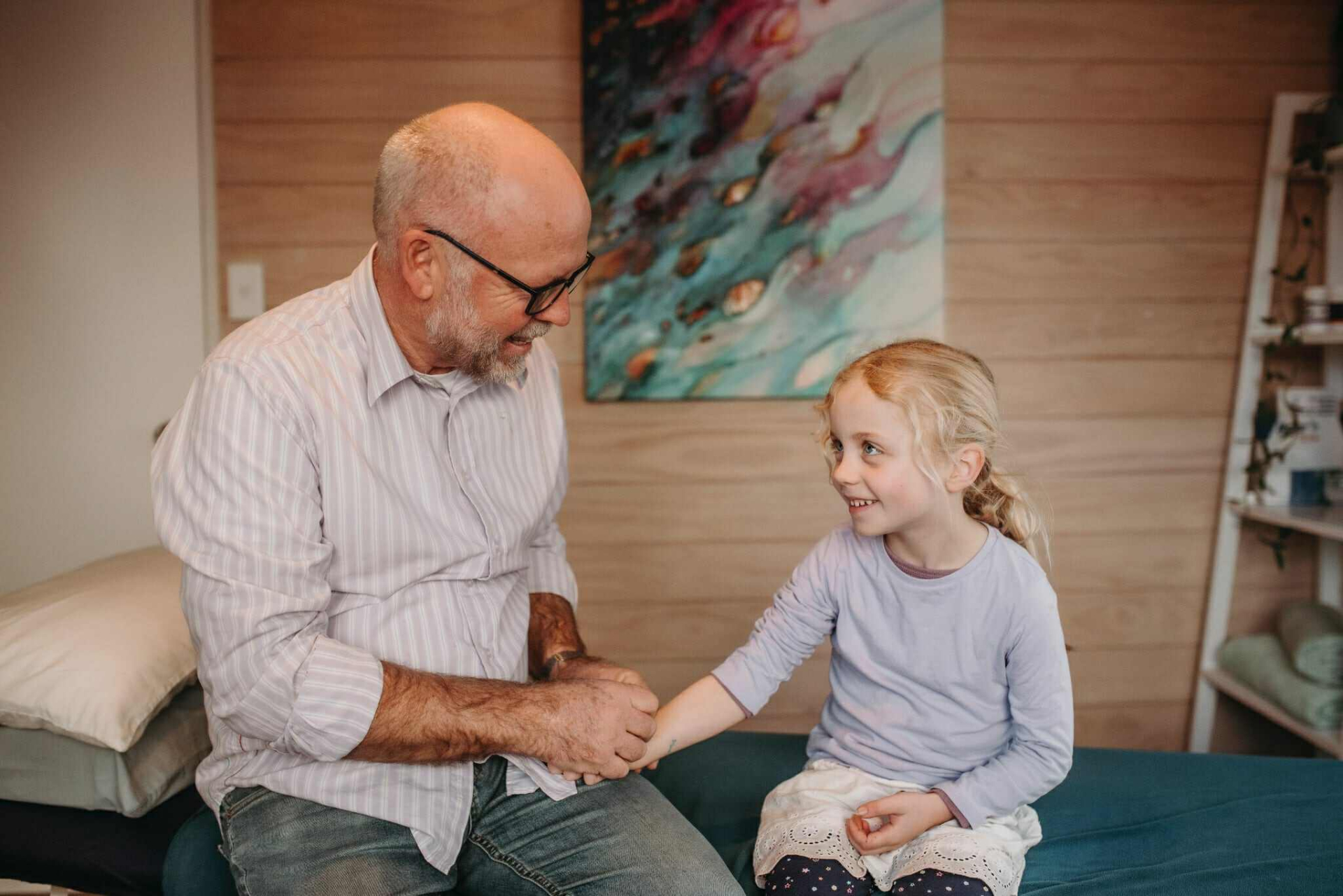
I offer paediatric acupuncture in PÄpÄmoa grounded in deep respect for the wisdom and vitality of children. Inspired by the teachings of the Huangdi Neijing and the compassionate spirit of Sun Simiao my approach is gentle, developmentally attuned, and responsive to each child’s unique constitution.
I focus on strengthening what is still forming: digestion, immunity, sleep, emotional balance, and resilience. Treatments are light and carefully tailored, always prioritising safety, trust, and comfort. I work in partnership with parents and whÄnau, recognising that children thrive within strong, supported families.
Practising in Aotearoa, I am guided by the values of Te Tiriti o Waitangi — partnership, protection, and participation — and remain committed to culturally responsive and inclusive care.
By supporting children early and gently, we help protect their vitality and build resilience for the years ahead.
Acupuncture can help a wide range of childhood conditions, including but not limited to:
There is a growing body of evidence supporting the use of acupuncture for children. It is increasingly being used to support children undergoing conventional medical treatments in and out of a hospital setting.
Visit Evidence Based Acupunture
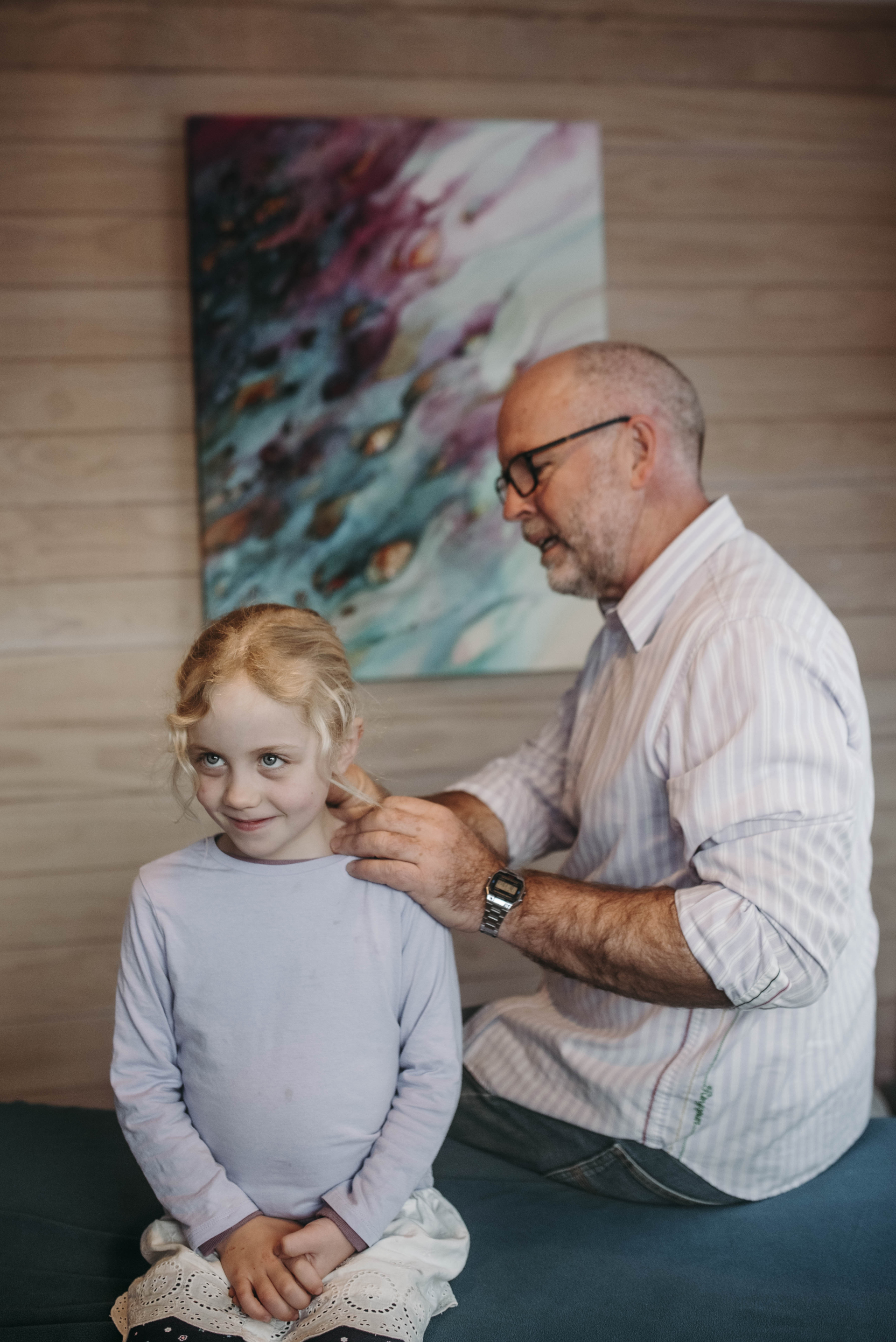
We use a variety of child-friendly approaches, carefully chosen to suit your child's needs and comfort level
The Japanese term shonishin, meaning 'children's needle' refers to a method of treating children that dates back to the 17th century.
However, it is a method that does not actually use needles. Instead, various tools are used to stroke or tap areas on the child's body.
It’s an extremely gentle and relaxing treatment which is particular useful for sensitive or anxious children
Paediatric tui na is a wonderfully effective system of massage. Whilst being a systematic, medical treatment, it developed out of a mother's innate instinct to stroke, touch and caress her baby or young child. Therefore, it is practical, intuitive and easy to deliver. Babies and children usually love it.
Paediatric tui na involves using a variety of different movements, ranging from stroking to tapping, on different parts of the child's body.
I will put together a routine that is specific to the needs of your child and will often teach it to you so that you can perform it on your child at home too. Paediatric tui na may be used on its own but I will sometimes combine it with acupuncture, moxa or the tickle machine.
Cupping is another ancient technique which has been used in Chinese medicine for many centuries. I may use it on your child if they have an acute condition, such as a cough or cold. I may also use it if your child has a pain condition, such as a sports injury.
Cupping involves placing a silicone cup on a part of the body with the use of suction. Most children find being cupped fun. Once they have experienced it once, they tend to ask for it every time!
The tickle machine applies a small electrical stimulation to the acupuncture point on which it is placed. The process is totally painless for the child. The feeling is of a ‘tickle’. In a typical treatment, anywhere between two and eight acupuncture points may be treated with the tickle machine. The points are stimulated for around twenty seconds.